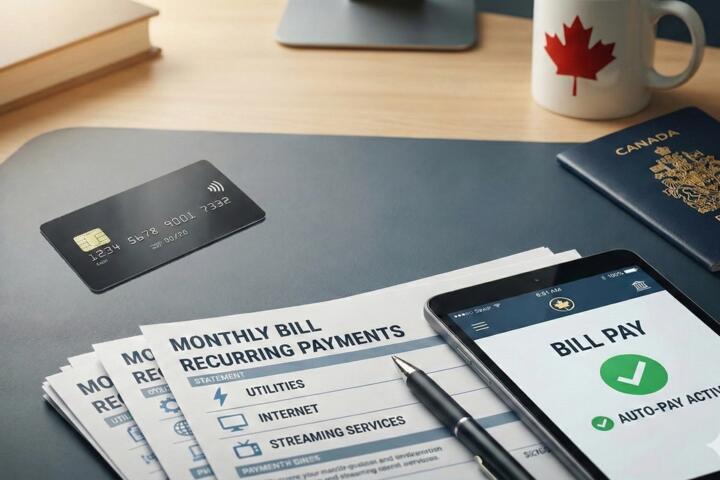
Topic Introduction
Personal admin is the set of recurring tasks and documents that keep daily life running: paying bills on time, tracking warranties, renewing IDs, managing medical paperwork, and handling household subscriptions. A template turns that messy mix into a repeatable workflow, so you do not rebuild the system every month.
Templates work best when they match how you actually behave. If you check email daily, a “document capture” template that starts with email receipts fits better than a template that assumes you will scan everything on weekends. If you prefer paper, a binder template with labeled sections can reduce decision fatigue when you need a policy number fast.
Common examples include a monthly bill tracker, a medical document log, and a “home maintenance” sheet that records dates and receipts. On my side, I have seen people get stuck because they pick a template that looks tidy but does not match their trigger—like waiting for a quarterly review when the real work arrives in random emails.
Main Problems Or Pain Points
People usually get the system wrong in three places: they store too much without a retrieval path, they rely on memory for deadlines, and they mix personal and sensitive documents without access rules. A template that only lists categories can still fail if it does not define where new items go and how you find them later.
Another frequent issue comes from dependencies. A personal admin template depends on a capture method (email folder, scanner, or phone camera), a storage method (cloud drive, local folder, or paper binder), and a review cadence (weekly check, monthly sweep, or both). If one dependency breaks—like a cloud folder structure that no longer matches your naming habits—your template becomes a filing museum.
Privacy and identity data also create constraints. Medical records, insurance policies, and government documents contain identifiers that should not be casually shared in shared drives or printed and left in public areas. Many templates ignore access control, which matters when multiple family members use the same device.
Finally, templates often fail because they assume perfect compliance. For example, a “scan everything immediately” rule collapses when you receive a bill at 11:47 p.m. and you are tired. The template needs a “good enough” path for late-night receipts, like a temporary inbox folder that gets processed during your next review window.
Solutions And Advice
Choose A Capture First Template
Start with a template that handles incoming items, not one that only organizes existing files. A practical setup uses three buckets: an “Inbox” location for new receipts and forms, a “Reference” location for finalized documents, and an “Action” list for items that require a deadline or response.
Tools can be simple: a dedicated email label (for example, “Admin/Receipts”), a phone scanning app, and a consistent file naming pattern. If you use a cloud drive, create folders that mirror your template categories and keep the naming rules short. I once watched a family adopt a template with 18 folder levels; they stopped using it after two weeks because the folder depth made retrieval slower than searching.
Realistic outcome targets: within 1–2 weeks, you should be able to answer “Where is my policy number?” in under 30 seconds. If it takes longer, the capture template needs fewer categories and clearer naming.
Use A Deadline Tracker Template
A deadline tracker prevents missed renewals and late fees by turning dates into a repeatable review. Build it around a small set of fields: document name, responsible person, due date, renewal frequency, and a link or file path to the source document.
For numbers, aim for a review cadence that matches your risk. Monthly bills usually justify a weekly 10-minute check, while ID renewals and insurance renewals often need a monthly sweep plus a 30–60 day reminder. If you set reminders for every item, you will ignore them; if you set reminders for only high-impact items, you will stay consistent.
As a side observation, versioning helps: keep a “Admin Tracker v1” file and update it rather than creating a new spreadsheet every month. People often lose history when they duplicate files instead of maintaining one evolving tracker.
Build A Medical Paperwork Log
A medical paperwork log reduces stress when you need records for appointments, insurance claims, or referrals. Include fields for provider name, date of service, document type (lab results, visit summary, imaging report), where the file lives, and who requested it.
Use a privacy-aware storage approach. If you store scans digitally, restrict access to the minimum number of people and avoid public links. If you store paper, keep it in a lockable location and track where the binder key is—yes, that detail matters when you are searching during a time-sensitive appointment.
Outcome target: you should be able to produce a “last 12 months of lab results” folder quickly. Many people underestimate how often they need partial records rather than the entire medical history.
Adopt A Home Warranty And Receipt Template
Warranties and receipts often sit in drawers until a failure forces a search. A warranty template works when it captures purchase date, vendor, model number, warranty start/end dates, and the receipt location. Add a “replacement parts” note because some warranties require proof of model and serial number.
For outcomes, aim to reduce the time spent searching for warranty details. If you can locate the relevant receipt within 2–5 minutes, the template is doing its job. If you cannot, the template needs a tighter capture rule at purchase time, such as saving the receipt email immediately to the correct folder.
One mild frustration: receipts arrive in multiple formats—PDF email attachments, portal downloads, and paper slips. Your template should accept all three without forcing a single “perfect” workflow.
Case Examples
Example 1: Shared Household Admin
A two-adult household created an “Inbox” folder for receipts and forms, plus a shared deadline tracker. They assigned one person to process the inbox every Sunday for 20 minutes, while both people added items as they arrived. After two months, they noticed fewer missed renewals because the tracker included a “source link” to the policy PDF.
They also tightened access: the medical log folder stayed restricted to the adult who manages claims. That change reduced accidental sharing through email attachments, which had happened when the folder structure was too open.
Example 2: Single Person With Mixed Paper And Email
A single person kept paper for older documents and used email for newer receipts. Their template included a “scan later” rule: any receipt emailed to them went into a labeled folder, while paper receipts went into a single envelope labeled “Admin Inbox.” During a monthly review, they scanned only the items tied to deadlines or warranties.
After three cycles, they stopped scanning everything. The system still worked because the template defined which documents required immediate digitization and which could wait until the next review window.
Comparison Table Or Checklist
| Template Type | Best For | Main Risk | Setup Time |
|---|---|---|---|
| Capture Inbox | Receipts, forms, and new documents | Inbox grows without a review rule | 30–60 minutes |
| Deadline Tracker | Renewals, due dates, action items | Too many reminders get ignored | 45–90 minutes |
| Medical Paperwork Log | Claims, appointments, record requests | Over-sharing sensitive files | 60–120 minutes |
| Warranty And Receipts | Home appliances, electronics, services | Missing model/serial details | 30–75 minutes |
Step-by-step checklist to choose and start:
- Pick one capture location you will use every time (email label, phone scan folder, or paper envelope).
- Create one “Action” list with due dates for items that can cause fees or service interruptions.
- Add one sensitive category (medical or identity documents) with restricted access rules.
- Run a 20-minute review once per week for 4 weeks, then adjust cadence based on what you actually missed.
- Measure retrieval speed once: choose a random policy or receipt and time how long it takes to find it.
Common Mistakes
One mistake involves over-categorizing. People create folders for every provider, every year, and every document type, then stop because the system becomes slower than search. A better approach uses fewer categories and relies on file naming plus a single log for metadata.
Another mistake is mixing “reference” and “action” without a clear boundary. If a folder contains both paid bills and unpaid forms, you will waste time sorting during stressful moments. Your template should separate items that need a decision from items that only need storage.
Some templates ignore the reality of multiple formats. Bills arrive as PDFs, portal screenshots, or mailed statements. If your template requires one format, you will break the workflow the first time a different format arrives.
Finally, people sometimes treat privacy as an afterthought. Medical and identity documents should not be stored in shared folders without access control, and scanned files should not be publicly linked. If you use a cloud drive, check sharing settings and remove public links that you forgot existed.
FAQ
What Should My Admin Inbox Include?
Include new receipts, forms, and documents that arrive before you decide what to do with them. Keep it limited to items that need processing during your next review window.
How Often Should I Review My Deadline Tracker?
Use weekly reviews for bills and time-sensitive tasks, then monthly reviews for renewals that do not change often. Adjust after one month by checking what you missed.
Where Should I Store Medical Documents?
Store them in a restricted folder or lockable paper location, with access limited to the people who need them. Keep a log that points to the exact file location.
What File Naming Works Best?
Use short, consistent names that include the document type and date, plus a key identifier like provider or policy number. Avoid long descriptions that you will not reproduce correctly under stress.
Do I Need Both Paper And Digital Templates?
You can, but the template should define which documents stay paper and which get scanned. A common approach keeps paper for older records and digitizes items tied to deadlines or claims.
Author's Insight
Personal admin templates succeed when they define a repeatable path from capture to action to storage. The most reliable designs reduce decisions: one inbox, one action list, and a small set of categories that match how you search later.
Evidence-based organization practices emphasize retrieval speed and consistent metadata, not aesthetic folder structures. When people time how long it takes to find a policy number or a recent lab result, the system either earns trust or gets redesigned.
Privacy constraints matter because medical and identity documents carry higher risk than general receipts. Access control and careful sharing settings often determine whether a template stays safe when multiple people use the same devices.
If you want a starting point, build one template first and run it for four review cycles before adding more categories. That approach prevents template sprawl, which tends to happen when every new problem triggers a new spreadsheet.
Key Takeaways
- Pick a capture-first template so new documents have a predictable landing spot.
- Use a deadline tracker with a realistic review cadence to prevent missed renewals.
- Keep medical and identity documents in restricted storage and log where files live.
- Separate action items from reference storage to reduce sorting during stressful moments.
- Test retrieval speed once per month and simplify when search takes too long.