Popular Articles
 Warranties
01.11.2026
Digital Receipts: What Information Should You Preserve?
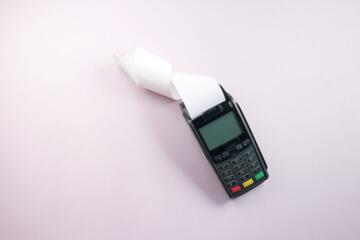
Digital receipts are electronic records from pharmacies, clinics, insurers, and payment apps. They matter when you need to verify charges, track insurance claims, handle returns, or resolve billing disputes. This guide explains what information to preserve in PDFs, emails, and app downloads, how long to keep it, and how to store it so it stays readable. You’ll learn practical checklists, common failure points, and examples for health-related purchases and reimbursements.
 Warranties
19.10.2026
Serial Numbers vs Model Numbers: What Should You Record?
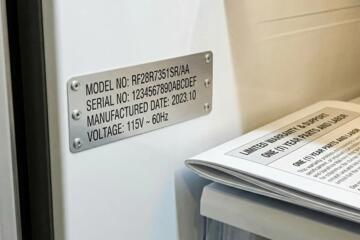
Serial numbers and model numbers look similar, but they serve different purposes in vehicle records, warranty claims, recalls, and parts ordering. This guide explains how to tell them apart, what to record for common admin tasks, and how to avoid mixing them up in spreadsheets or service requests. You’ll learn practical examples for cars, what fields to capture, and how to verify entries using VIN-linked systems and labels.
 Warranties
13.10.2026
How to Archive Product Manuals With Version Control
Product manuals have a habit of multiplying—and then, when you need the exact instructions for a specific model or hardware revision, nobody can tell which PDF is the “right” one. This guide shows how to archive manuals with lightweight version control so your team can reliably retrieve the correct document for a device, date, and revision level. It covers the common ways manual libraries break down (messy file names, overwritten PDFs, missing sources, unclear ownership), then walks through practical workflows using consistent naming conventions, checksums for integrity, and simple change logs that explain what changed and why. You’ll also learn how to store both published PDFs and editable source files safely, with sensible folder structures and backups. Example scenarios, a decision checklist, and a plain-English FAQ round things out, including retention rules, access control, and audit trails for both regulated environments and everyday product teams.
 Warranties
07.10.2026
Warranty Claim Timeline: What Dates Should You Record?
Warranty claims often come down to timelines, and the easiest way to get denied is to have gaps you can’t explain. This guide walks you through the exact dates you should write down during a car warranty repair so you can track deadlines and prove what happened, when. It covers the key moments that matter—when you first reported the problem, when the dealer inspected it, when diagnosis was completed, when you approved the repair, when parts were ordered/arrived, and when the vehicle was finally ready for pickup. It also shows how to store supporting proof (emails, texts, repair orders, photos) so you’re prepared if the manufacturer or dealer pushes back. Real-world examples highlight how missing a single date can lead to delays, “no record found” responses, or avoidable claim disputes.
 Warranties
01.10.2026
Product Recalls: How to Match Alerts to Your Inventory
Product recalls affect vehicles, parts, and accessories, and the impact depends on whether the recalled items are actually in your possession. This guide helps informed consumers and small businesses match recall alerts to their inventory using VINs, lot codes, part numbers, and dealer or manufacturer portals. You’ll learn how recall notices work, what data fields to collect, how to cross-check results, and how to avoid common matching errors that lead to missed repairs or unnecessary returns.
 Warranties
25.09.2026
Repair Records: How to Build a Warranty Evidence Trail
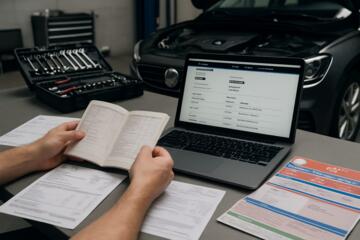
This guide helps car owners and lessees build a clear warranty evidence trail after repairs. It explains what documents matter, how to organize invoices, diagnostic reports, and communications, and how to avoid common gaps that delay warranty approvals. You’ll learn practical steps to collect proof, track timelines, and present a consistent case to a dealer or warranty administrator, with realistic examples and a checklist for staying organized.
 Warranties
19.09.2026
Manufacturer vs Seller Warranty: Who Should You Contact?
Buying a car often comes with two warranty layers: the manufacturer warranty and the seller’s warranty or service contract. This guide helps you decide who to contact when a repair is needed, what documents to gather, and how to avoid delays. You’ll learn how coverage terms differ, how claims typically move between parties, and what to ask for in writing so you can get repairs handled without guesswork.
 Warranties
13.09.2026
How to Track Warranty Extensions Without Missing Deadlines
Warranty extensions can add years of coverage, but deadlines and eligibility rules are easy to miss. This guide helps informed consumers track extension windows, document proof, and coordinate with dealers and manufacturers. You’ll learn how to map dates to your vehicle records, build a reminder system that survives account logins, and verify coverage terms before repairs. The article also covers common tracking mistakes and practical checklists for staying on time.
 Warranties
07.09.2026
Warranty Dates: Purchase Date vs Delivery Date
Car warranties can be confusing because the “clock” doesn’t always start when you think it does—it might be based on the purchase date, the delivery date, or even the day the vehicle was first put into service. This guide breaks down how those start dates usually work, how to read your warranty paperwork without getting lost in fine print, and how to spot mismatches between what the dealer told you and what the documents show. You’ll see real-world examples, quick checks you can do with your VIN and service records, and a step-by-step checklist for what to do if your coverage appears to start too early or too late.
 Warranties
01.09.2026
Digital Proof of Purchase: What Should You Preserve?
Digital proof of purchase is what you fall back on when you need to show exactly what you bought, when you bought it, and what the deal included. This guide is for anyone who depends on email receipts, order confirmations, PDFs, and in‑app purchase histories to handle returns, warranty claims, reimbursements, or payment disputes. It explains which records are worth saving (and in what format), how long to keep them, and which small details—like order numbers, timestamps, item descriptions, and seller terms—can make or break a claim. You’ll also learn how to prevent common headaches such as deleted emails, missing order IDs, expired download links, or receipts that don’t match what was actually delivered.