Subscription Audits Basics
A subscription audit is a short review of recurring charges so you can keep what you use and stop what you do not. It matters because recurring billing often continues after you stop using a service, and the charge can be small enough to miss for months. In the U.S., credit card issuers typically report disputes within a limited window, and many banks require you to file within 60–120 days of the statement date for chargebacks, though exact rules vary by issuer. A practical audit also helps you spot “shadow” subscriptions like add-ons, family plans, or trial conversions that start charging after a set period.
Pick a cadence: every 3 months.
Start with your last 2–3 billing cycles. Compare what you paid to what you actually used during the same period. Look for measurable signals: login frequency, active devices, and whether you used the service at least once in the last 30–60 days. If a service is tied to health data—like a wearable app, telehealth platform, or medication reminder—check whether you still need the data export or ongoing messaging features.
Checklist For Every Audit
Use this checklist every 3 months, then adjust the interval if you have many subscriptions. The goal is not to cancel everything; it is to match recurring charges to actual use and ongoing needs. Keep the audit short: 30–45 minutes for a typical household with 5–15 subscriptions.
Do not rush the evidence.
Step 1: Pull 2 Statements
Open your last 2–3 monthly statements and list every recurring charge. Why it works: statements show what actually cleared, including taxes and fees that app dashboards sometimes hide. In practice, copy the merchant name, amount, and date into a note. If you see a charge labeled “*subscription*” or a recognizable merchant descriptor, group it with the matching app or website account. I once saw a recurring charge with a merchant descriptor that looked unrelated to the app name, and the receipt email clarified the mapping.
Write amounts down, not vibes.
Step 2: Map Each Charge To An Account
For each line item, find the subscription management page. Why it works: you need the cancellation controls tied to the billing source. In practice, check the service website account first, then check Apple App Store or Google Play if the app is involved. Look for “next billing date” and “status: active/canceled.” If the service offers multiple plans, confirm which plan you are on and whether you have add-ons.
Conclusion: match the billing source.
Step 3: Check Usage Signals
Decide whether you used the service in the last 30–60 days. Why it works: usage signals reduce the chance you cancel something you still rely on. In practice, check login history, active device count, and whether you used the feature set that matters to you. For health-related tools, verify you still need the reminder cadence, data storage, or messaging. If you cannot find usage data, use a proxy: number of sessions recorded, number of exports, or whether you opened the app at least once per week.
Usage beats intention.
Step 4: Confirm Cancellation Timing
Cancel in the correct place and confirm the effective date. Why it works: some services cancel at the end of the billing period, while others cancel immediately and may refund prorated amounts depending on policy. In practice, take a screenshot or save the confirmation email that shows the cancellation date and next billing date. If you cancel mid-cycle, expect access to continue until the end of the period unless the service states otherwise. Mild frustration is common here because the UI often says “canceled” but still shows a next billing date—those details matter.
Skip the “canceled” button alone.
Step 5: Watch For Trial Conversions
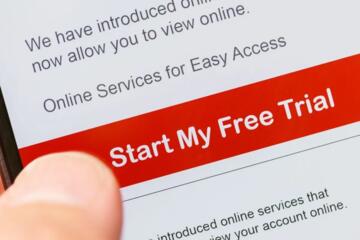
Search your email for “trial,” “renewal,” or the service name around the time you started using the app. Why it works: many trials convert automatically after a set period, and the conversion can happen even if you stop using the app. In practice, check the subscription status for any plan that started after a trial and confirm the renewal date. If you see a trial that converted within 7–14 days, plan to audit again sooner than 3 months for that category.
Conclusion: trials hide in receipts.
Realistic Audits Examples
Scenario 1: A person pays for a wearable app through an app store subscription and also pays for a cloud backup add-on. During the audit, they find two recurring charges from the same month, one for the base plan and one for “backup.” They cancel only the base plan, then notice the backup charge continues. The fix is to cancel the add-on in the same subscription group and confirm the next billing date in the app store receipt, not just in the app’s settings.
Scenario 2: A household uses a telehealth platform with a monthly membership and a separate “message pack.” The audit shows the membership canceled last quarter, but the message pack still renews because it is billed as a separate product. They check the account portal and see “message pack active” with a renewal date 2 weeks later. They cancel the message pack and download their chat transcript while access remains active, then verify the next statement to confirm no further charges.
These cases show why mapping matters.
Checklist And Decision Support
| Item | Keep | Cancel | Needs More Checks |
|---|---|---|---|
| Health data tools | You export data and use reminders | You do not need ongoing storage | Export format unclear |
| App store subscriptions | Status shows active with correct plan | Cancellation confirmed with next billing date removed | Canceled in app, still billed |
| Web subscriptions | Account shows active and you use it | Account shows canceled and no renewal date | Refund policy unclear |
| Add-ons | Used weekly or tied to a need | Not used; cancel in same group | Different merchant descriptor |
Decision rule: cancel only after you can name the reason.
- List recurring charges from 2 statements.
- Map each charge to the billing source: web, Apple, or Google.
- Check usage in the last 30–60 days.
- Cancel with confirmation and record the next billing date.
- Verify on the next statement and export health data before access ends.
Conclusion: proof beats hope.
Mistakes That Cost Money
Canceling without saving proof is a frequent failure mode. If you later dispute a charge, you need a cancellation confirmation date or reference number. Another mistake is canceling a service but forgetting to cancel a family member’s seat or an add-on that shares the same payment method. People also confuse “pause” with “cancel,” and a paused subscription can still renew depending on the provider’s rules.
Skip the “pause” option. It rarely ends billing.
Some services offer annual plans with a refund policy that differs from monthly plans. If you cancel an annual plan, you may lose remaining access without a refund, depending on the terms. Also, watch for duplicate billing when you switch payment methods; a service can keep the old agreement active while starting a new one. I’ve seen this happen after a card replacement in 2024, and the statement showed two similar merchant descriptors for 1 month.
Conclusion: check for duplicates.
Finally, people sometimes cancel health-related tools without exporting data. If you track symptoms, sleep, or medication adherence, you may want a copy for your records. Exporting before cancellation reduces the risk of losing history when access ends. If the export feature is hidden behind a paywall, you can still download one sample dataset to confirm the format, then decide.
Export first, then decide.
FAQ
How often should I audit subscriptions?
Audit every 3 months for most households. If you use many trial-based apps or you frequently change devices, audit monthly for 2 cycles, then return to 3 months.
What should I check on my bank statement?
Check merchant descriptors, renewal dates, and whether the charge repeats monthly or annually. Compare the amount to the receipt email to catch taxes, add-ons, or plan upgrades.
How do I cancel subscriptions billed through app stores?
Use the subscription management page in the app store account settings and confirm the next billing date. Save the cancellation confirmation so you can compare it to the next statement.
Can I lose health data if I cancel?
Some services restrict exports after cancellation, while others allow downloads for a limited time. Check the account’s data export option before canceling and download a sample dataset.
What if I cancel but the charge still appears?
Compare the cancellation confirmation date to the statement posting date. If the charge persists, contact the provider with the confirmation reference, then file a dispute with your bank if needed within the issuer’s window.
Author's Insight
I do not have personal clinical experience, so I focus on the practical mechanics that affect health-related tools. Subscription audits work because billing systems, app stores, and account portals each track status differently, and cross-checking reduces the chance of “canceled but still billed.” The most reliable habit is proof: screenshots or emails showing the next billing date and the cancellation timestamp. When health data is involved, export before cancellation, because access rules vary by provider and can change without notice.
Proof and exports prevent surprises.
Key Takeaways
Audit subscriptions every 3 months by comparing 2–3 statements to account status and actual usage in the last 30–60 days. Cancel only after you map each charge to the correct billing source and save confirmation details. Expect some services to keep access until the end of the billing period, and verify the next statement to catch failures. If a subscription affects health data continuity, export your records before access ends, then decide whether you still need the reminders or storage.