Topic Introduction
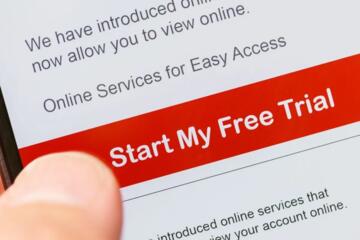
Hidden subscriptions drain accounts through recurring charges that look small on a monthly statement but add up across multiple services. The pattern usually starts with a free trial, a discounted first month, or a bundle that renews automatically. Charges may appear under a merchant name that does not match the app or website you remember using, which makes the payment feel “mysterious” even when it is legitimate.
Common examples include a fitness app that renews after a trial, a cloud storage plan that upgrades itself after you hit a storage limit, and a “premium” feature add-on that you never knowingly turned on. Some subscriptions also route through app stores, so the merchant on your bank statement may be “Apple” or “Google” rather than the service name. If you pay through a digital wallet, the statement can show a payment descriptor that is truncated, which makes manual matching harder.
Main Problems Or Pain Points
People often miss subscriptions because they search only for the service name, not the merchant descriptor. A payment can show up as “SUBSCRIPTION SERVICES LLC” or a similar generic label, while the actual account is under a different brand name. Another frequent issue is relying on email alone; receipts can land in spam, or the sender name can change after a rebrand.
Free trials create a second blind spot. Many trials convert to paid plans automatically unless you cancel before the trial ends, and the cancellation deadline can be based on the start time, not the calendar day you signed up. If you subscribed on a mobile device, the cancellation flow may live inside the app store account rather than the app’s own settings.
Bundles add complexity. A “family plan” can renew even after one member stops using the service, and an add-on can renew separately from the main plan. Some services also use supporting technologies that affect how you detect them: payment processors can change the merchant descriptor, and app stores can batch charges so the bank sees a single recurring line item.
Solutions And Advice
Audit Recurring Charges
Start with your last 3–6 months of bank and card statements and list every charge that repeats at a similar interval. Look for patterns like the same amount every month, the same descriptor with minor variations, or charges that appear on the same day-of-month. If your bank app supports “recurring payments” tagging, use it as a starting point, then verify each item manually because the tag can miss small add-ons.
For each suspected subscription, record: date, amount, merchant descriptor, and whether the charge is labeled as recurring. Then cross-check against your email receipts and account dashboards. A small aside from real-world workflows: I’ve seen descriptors change after a payment processor update, so matching by amount plus descriptor often works better than matching by service name alone.
Use a spreadsheet or notes app so you can track status: “unverified,” “mapped to service,” “cancelled,” or “disputed.” If you use a tool like Mint (discontinued in some regions) or a bank’s built-in categorization, treat it as a hint, not proof.
Trace The Merchant To The Service
Once you have a recurring charge, trace it to the service account that owns the subscription. Check the payment history inside the service’s website or app, then compare the last four digits of the card and the renewal date. If the charge came through an app store, go to the app store subscription page and review active subscriptions there.
On iOS, this is typically under Apple ID settings and the “Subscriptions” section; on Android, it is usually under Google Play’s payments and subscriptions area. Version numbers can matter for navigation: for example, Apple’s settings layout has shifted across iOS releases, and the path in iOS 17 differs from iOS 16. If you cannot find the subscription in the service app, the app store account is often the correct place to cancel.
Also check whether the service uses a separate “billing portal” link in the receipt email. Some receipts include a URL that opens the exact subscription management page, which reduces the chance of canceling a different plan tier.
Cancel In The Correct Place
Cancellation needs to happen where the subscription is managed. If the subscription is billed through an app store, cancel there; if it is billed on the service website, cancel there. Turning off auto-renew in the wrong dashboard can fail silently, and the service may still renew through the store.
After canceling, confirm the status shows “ends on” a specific date rather than “renews” or “active.” Save a screenshot or receipt of the cancellation confirmation. A mild frustration point: some services show a confirmation page that looks final, but the account still lists the plan as active until the next billing cycle; checking the renewal date in the account page catches that mismatch.
If you used a free trial, verify the trial-to-paid conversion terms in the original signup email. The cancellation deadline can be tied to the trial start time, so canceling after the trial end date can still trigger a charge.
Case Examples
Example 1: Trial That Converted
A consumer signs up for a photo editing app on a mobile device and later sees a recurring charge for a similar amount every month. The bank statement shows a generic descriptor, so the consumer searches email for the app name and finds a receipt from the app store rather than the app’s website. In the app store “Subscriptions” page, the plan shows “Active” with a renewal date two weeks after the trial ended. The consumer cancels in the app store and confirms the status changes to “Ends on” the next renewal date, then monitors the next statement to verify the charge stops.
Example 2: Bundle With Add-On Renewal
A consumer has a streaming service and a separate “premium audio” add-on that renews monthly. The bank statement shows two recurring charges, but the consumer only recognizes one. The consumer logs into the streaming account and finds the add-on listed under “Billing” with its own renewal date. After canceling the add-on, the main streaming plan remains active, and the next statement shows only the main plan charge. The consumer updates the account email filters because receipts for the add-on arrive from a different sender address than the main service.
Comparison Table Or Checklist
Use the table to decide where to look first based on the payment descriptor and the device you used.
| Clue From Statement | Most Likely Billing Owner | Where To Cancel | What To Verify |
|---|---|---|---|
| Descriptor matches app store (e.g., Apple/Google) | App store subscription system | App store “Subscriptions” page | Status shows “Ends on” date |
| Descriptor matches service name or known vendor | Service website billing | Service account “Billing” or “Manage plan” | Renewal date removed or set to end |
| Generic descriptor with recurring amount | Payment processor or reseller | Receipt link or billing portal from email | Plan name and renewal terms match receipt |
| Two charges for one service | Main plan plus add-on | Account “Add-ons” and “Billing history” | Only the intended line item stops |
Step-by-step checklist you can follow in one sitting:
- Export or screenshot your last 3–6 months of statements and sort by merchant descriptor.
- Mark any charge that repeats within 25–35 days or repeats with the same amount.
- For each marked charge, find the matching receipt email and note the subscription name shown there.
- Open the correct subscription management page (service site or app store) and confirm the plan tier.
- Cancel and record the “ends on” date or cancellation confirmation number.
- Wait for the next statement cycle and confirm the charge stops or changes to the expected amount.
Common Mistakes
One mistake is canceling inside the app but leaving the subscription active in the app store. Another is removing a payment method without canceling; some systems keep the subscription active and retry billing later. People also forget that family or shared plans can keep billing even after they stop using the service, so the account owner’s settings matter.
Another error involves chasing the wrong time window. If you signed up mid-month, the renewal date may not align with the first of the month, so “I didn’t see it on the first” can be misleading. When you dispute, using the wrong charge date or mixing multiple subscriptions in one complaint can slow resolution.
Some consumers also rely on “unsubscribe” links in marketing emails. Those links often stop promotional messages, not billing renewals. A better approach is to use the subscription management page tied to the account that received the receipt.
Finally, avoid assuming every recurring charge is a subscription. Some recurring charges are insurance premiums, cloud backups, or bank fees that happen monthly. The audit should map each charge to a specific product and billing owner before you cancel or dispute.
FAQ
How Do I Find Recurring Charges Fast?
Sort your last 3–6 months of statements by merchant descriptor and look for repeated amounts or repeated dates. Then cross-check each candidate with receipt emails and the account’s billing history.
Why Does The Merchant Name Not Match The App?
Payment processors and app stores can display different descriptors than the service brand. Use the receipt email or the app store subscription page to map the charge to the correct subscription.
Can I Cancel A Subscription Without Losing Access Immediately?
Many subscriptions switch to “ends on” a future date after cancellation, so access continues until the renewal date. Confirm the status in the subscription management page after you cancel.
What If I Canceled But Still Got Charged?
Verify the cancellation confirmation and the “ends on” date, then contact the billing owner through the correct channel. If the charge is through an app store, use app store support; if it is on a website, use the service’s billing support.
How Long Do I Have To Dispute A Charge?
Dispute windows vary by issuer and country, and they often depend on the statement date. Check your card issuer’s dispute policy and act quickly after you confirm the billing error.
Author's Insight
Hidden subscriptions are usually detectable with a reconciliation mindset: recurring charge identification, receipt mapping, and cancellation confirmation in the correct billing system. The hardest part is not finding charges; it is matching the merchant descriptor to the subscription owner when descriptors change or when app stores handle billing. A careful audit across bank statements, receipt emails, and subscription management pages reduces guesswork and prevents accidental cancellation of the wrong plan. If you want a low-effort workflow, track each suspected charge in a short list and update its status after every verification step.
Key Takeaways
- Recurring charges often hide behind generic descriptors, so match using receipts and subscription pages, not memory.
- Cancel in the billing system that owns the subscription: app store for store-billed plans, service account for website-billed plans.
- Save proof of cancellation and verify the “ends on” date before you assume the problem is solved.
- Dispute only after you confirm the subscription terms and your cancellation timeline, since dispute windows vary.