Physical Records Still Matter
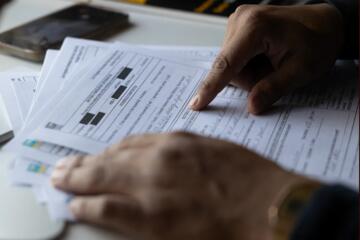
Paper records act as an offline backup for health and administrative needs when phones, email accounts, or cloud storage become unavailable. A printed medication list, for example, can help a clinician reconcile prescriptions during a visit even if a patient’s app won’t load. Paper also avoids dependence on login credentials at the exact moment they are needed.
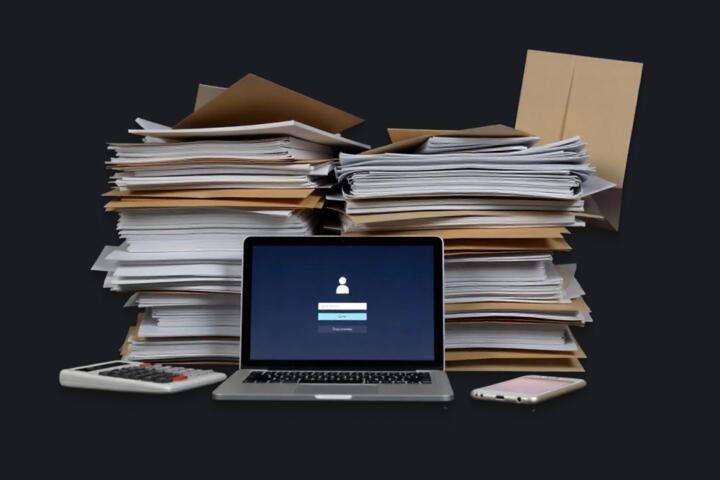
Digital records can be faster to search and share, but they rely on systems that can change without warning: a patient portal redesign, a password reset that requires SMS access, or a device that stops charging. In practice, many people end up with a mix of formats, then discover too late that the one document they need is trapped behind a login.
For health-related administration, “paper” usually means a small set of documents you can hand over quickly. For example, a one-page summary of diagnoses, allergies, current medications, and recent test dates can reduce back-and-forth. A folder labeled with the year and a simple index also helps when multiple family members share responsibilities.
What to Keep on Paper
Keep paper for documents that support continuity of care, identity verification, and time-sensitive administration. A practical starting set is a medication and allergy sheet, a problem list summary, and a short “care timeline” covering recent diagnoses and major procedures. If you have chronic conditions, include the names of specialists and the clinic addresses.
For emergencies, include a one-page emergency contact sheet and an advance directive summary if you have one. In the U.S., advance directives are governed by state law, so the exact form varies; a printed copy that matches your state’s requirements tends to be more useful than a generic template. If you travel, add a copy of your insurance card and a list of local emergency contacts.
For administrative tasks, paper helps when forms require signatures or when you need to submit documentation by mail. Insurance appeals, disability paperwork, and certain workplace forms often have deadlines and formatting rules. Having a printed “source document” reduces the risk of re-downloading the wrong version.
Solutions and Advice
Build a Small Paper Set
Start with a “one-page medical summary” and a “medication list” that you update after each meaningful change. Use a consistent format so you can hand it to a clinician without explaining it. A reasonable update cadence is every time a prescription changes, plus a full review every 6–12 months for stable conditions.
Tools: a word processor or a note app for drafting, then print to PDF and paper. If you use a scanner app, check the output by opening the PDF on a different device; I prefer to test on a laptop because phone viewers sometimes hide scan quality issues.
Outcome target: fewer “we need your current meds” delays at appointments, and less time spent reconstructing history from memory.
Scan With a Quality Check
When you scan, aim for readability and searchability. Save as PDF, keep page order correct, and include dates in filenames (for example, 2026-08-01_Labs.pdf). If your workflow uses OCR, verify that key fields like test names and dates are actually recognized.
Tools: Adobe Acrobat mobile, Microsoft Lens, or the scanner features in common phone camera apps. I’ve noticed that default compression settings can make small text unreadable; checking the zoom level on the exported PDF prevents surprises.
Outcome target: documents that another person can open without needing the original phone or app.
Store Paper and Digital Separately
Use separate storage so one failure mode does not erase everything. For paper, a lockable file box at home works for many households. For digital, store scans in at least two locations, such as a cloud account plus an offline drive, and protect access with strong authentication.
Tools: password managers for account access, and an encrypted external drive for offline copies. If you encrypt, remember the recovery steps; forgetting a passphrase can be worse than losing the device.
Outcome target: you can still retrieve records if a phone is lost, a portal account is locked, or a cloud subscription ends.
Plan for Sharing and Consent
Decide who can access your records and how you share them. For paper, keep a “who to contact” list and a note about where the folder is stored. For digital, set sharing permissions carefully and avoid public links.
Tools: secure messaging portals when offered by your clinic, and encrypted email when required. If you send documents by email, confirm the recipient address and avoid attaching full claim histories unless the form specifically requests them.
Outcome target: fewer privacy incidents caused by misdirected files or oversharing.
Educational Case Examples
Scenario 1: A patient with asthma switches inhalers after a follow-up visit. They update the digital medication list in a phone app but forget to print the new list. Two weeks later, an urgent care clinician asks for the current dose; the patient can describe it verbally, but the clinician still needs exact names and strengths. The visit slows down until the patient can locate the prescription confirmation email.
Scenario 2: A caregiver scans discharge paperwork from a hospital stay. The scan is saved as a low-resolution image PDF, and the text is not readable on a tablet. When an insurance reviewer requests the document, the caregiver re-scans it, losing time because the original paper copy had been stored in a different room. A simple quality check and a consistent storage location would have prevented the delay.
Paper vs Digital Decision
| Document Type | Keep on Paper | Keep Digitally | Update Trigger |
|---|---|---|---|
| Medication + Allergy Sheet | Yes | Yes | Any dose or drug change |
| Problem List Summary | Yes (short) | Yes | New diagnosis or major procedure |
| Lab Results | Optional (key ones) | Yes | When results change treatment |
| Insurance Cards | Yes | Yes | Renewal or plan change |
| Full Claims History | Rarely | Yes (when needed) | Appeal or reimbursement request |
Step-by-step checklist: (1) Write a one-page summary template. (2) Print it and place it in a labeled folder. (3) Scan the same pages into a dated PDF folder. (4) Test access by opening the PDF on a different device. (5) Update after prescription changes and major appointments.
When you add new documents, keep the folder small enough that you can find it in under 30 seconds. That speed matters when someone else is helping you.
Mistakes That Reduce Trust
Printing without a review date creates stale records. Add a “last updated” line and keep it visible; a clinician can trust a document that signals recency. People sometimes remove that line to make the page look cleaner, then forget to update it.
Another mistake is mixing personal notes with medical facts. Handwritten comments like “I think it’s stress” can be useful to you, but they confuse clinicians who need diagnoses, dates, and medication names. Keep a separate personal log if you want to track symptoms.
Some households store paper in places that are inaccessible during emergencies. A folder in a locked office or a high cabinet can be useless when time matters. A simple location plan—one that a trusted person can access—reduces friction.
Digital sharing mistakes also harm trust. Sending scans through unencrypted email or posting them to a shared drive with broad access can expose sensitive data. If you use a cloud folder, check sharing permissions and remove old links.
Finally, avoid assuming that scanning replaces paper. A scan can be lost, corrupted, or stored under the wrong account. Paper still acts as a fallback when the digital copy is missing or unreadable.
FAQ
What medical documents should I print?
Print a one-page medication and allergy sheet, a short problem list summary, and your insurance card. Add a recent discharge summary or key lab results only when they affect current treatment decisions.
How often should I update my paper medication list?
Update after any prescription change, including dose adjustments, new inhalers, or stopped medications. For stable regimens, review every 6–12 months and after major appointments.
Is scanning enough for privacy and backup?
Scanning helps, but it depends on readable files and secure storage. Use a quality check on the exported PDF and store copies in at least two locations with protected access.
Where should I store paper records at home?
Use a lockable, accessible location that a trusted person can reach during an emergency. Keep the folder in the same place so you do not waste time searching.
Do I need paper copies for insurance claims?
Paper copies help when forms require signatures or when you submit documents by mail. Keep claim-related documents when you plan to appeal, request reimbursement, or meet a deadline.
Author's Insight
Paper and digital records serve different failure modes. Paper reduces dependence on logins, networks, and device power, while digital records reduce manual searching and support quick sharing. A practical approach keeps a small, frequently updated paper set and mirrors it with scanned PDFs that pass a readability test.
Because health systems and insurance processes vary by country and insurer, readers should treat this as a decision framework rather than a universal rule. If you are in the U.S., state-specific rules affect advance directives, and HIPAA governs covered entities’ handling of protected health information, but it does not remove the need for your own backup plan.
When you choose what to print, focus on documents that reduce clinical ambiguity: correct medication names, allergies, and dates. Everything else can often stay digital until a specific form or appointment requires it.
Key Takeaways
Keep a small set of paper documents that support continuity of care and time-sensitive administration, then update them after meaningful changes.
Scan the same key pages into dated PDFs, verify readability on a second device, and store copies in more than one location.
Reduce privacy risk by printing only what you need to share and by checking digital sharing permissions.
Build a folder system that a trusted person can access quickly, because the most useful record is the one you can find under pressure.