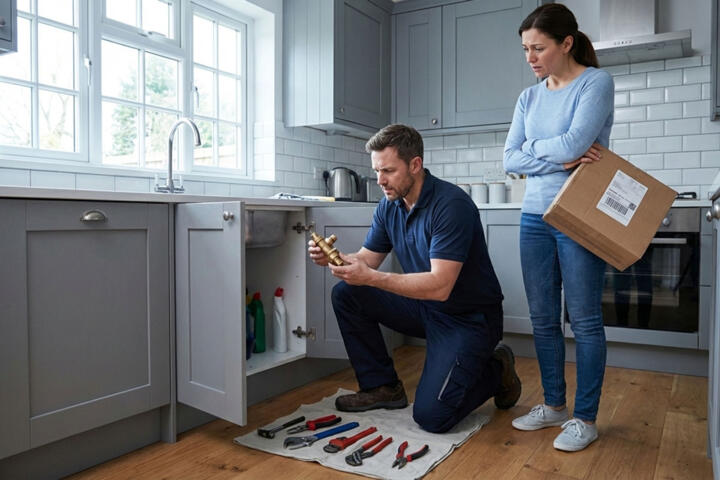
Tracking Upgrades
Tracking upgrades and repairs means keeping a usable paper trail that shows what changed, when it happened, and who did the work. Buyers and appraisers often treat a home like a system of components, so a clear maintenance history can reduce uncertainty about hidden wear.
For example, a new HVAC unit matters less than the details: the installation date, model and serial number, the contractor’s license number, and whether the installer performed a proper start-up and airflow check. A kitchen remodel matters less than the permit status, inspection sign-offs, and the scope of electrical and plumbing work.
Insurance claims also depend on documentation. If a roof leak leads to interior damage, the insurer usually asks for dates, prior maintenance, and evidence that the repair addressed the cause rather than only the symptom.
Landlords face a different pressure point: tenant turnover creates a steady stream of small repairs. A consistent log helps you show that repairs were handled promptly and that recurring issues were investigated instead of patched repeatedly.
Even if you never plan to sell, a structured record reduces time spent answering questions later, including questions from contractors who need to match existing parts.
Main Problems Or Pain Points
People often track repairs in a way that looks complete to them but fails under scrutiny. A folder of receipts without dates, or a spreadsheet with vague notes like “fixed leak,” rarely helps when a buyer asks for proof of permitted work.
Another common gap involves permits and inspections. Many homeowners assume that if a contractor was “licensed,” permits were handled. Licensing does not automatically mean permits were pulled for every scope, and some work is exempt while other work is not. The result is a mismatch between what was done and what the public record shows.
Supporting technologies create dependencies that get overlooked. HVAC systems depend on duct condition, thermostat wiring, and refrigerant charge; electrical systems depend on panel capacity and load calculations; plumbing depends on pipe material and venting. When records omit these context details, later troubleshooting becomes guesswork, and buyers may discount the home because the system history is unclear.
Warranties introduce another failure mode. Many warranties require proof of installation and periodic maintenance. If you only keep a generic warranty card, you may not have the documentation needed to transfer coverage or to show compliance with maintenance intervals.
Photos help, but they can be misleading when they lack timestamps or show only the final appearance. A photo taken after drywall is installed does not prove what was repaired behind the wall, and it rarely shows the condition that triggered the work.
One more friction point: digital records get lost. Cloud storage links expire, email attachments get deleted, and phone photos get overwritten. A record system needs a plan for retention, not just storage.
Solutions And Advice
Build A Repair Log
Create a single log that captures the same fields for every job: date started, date completed, address/room, problem description, scope of work, contractor name, contractor license (when available), permit number (when applicable), materials used, and a short outcome note. If you track only one thing, track dates plus scope; those two pieces drive most value in a future conversation.
Use a spreadsheet or a document template. I have seen people succeed with a simple format in Google Sheets, versioned monthly (for example, “HomeRepairs_2026-08_v3”), because it forces consistent entries. Keep the log readable without special software.
For outcomes, avoid vague language. “Replaced 40-gallon water heater, drained sediment, pressure relief valve tested” reads better than “water heater fixed.”
Organize Proof For Claims
Store receipts, invoices, and contracts in a dedicated folder structure by year and by system. A practical structure is /2026/HVAC, /2026/Roof, /2026/Electrical. Add a subfolder for permits and inspections when you have them.
Include serial numbers and model numbers for major components. For HVAC, record the outdoor unit model, indoor air handler model, and thermostat model. For appliances, record the brand, model, and installation date from the invoice.
When you receive paperwork, scan it as PDF and keep the original file name if it contains a date. A mild frustration: many contractors email invoices as images, and the text becomes hard to search later. Converting to searchable PDF saves time during future reviews.
For insurance, keep before-and-after photos with timestamps. If your phone strips metadata, add a note in the log that describes what the photo shows and when it was taken.
Track Permits And Warranties
Make a permit checklist for work that typically triggers permits: electrical panel changes, major plumbing modifications, structural changes, HVAC duct changes, and roof replacements in many jurisdictions. Confirm the permit number and inspection dates from the local building department records.
Warranties work best when you store the warranty terms and the proof of installation together. Keep the invoice that shows the date of installation and the serial number. If a warranty requires annual maintenance, record the maintenance date and the service invoice.
Some warranties transfer to a new owner only if the transfer process is completed. The process varies by manufacturer and jurisdiction, so read the warranty terms and follow the stated steps rather than assuming transfer happens automatically.
Present Records To Buyers
When preparing for a sale, assemble a “home maintenance packet” that matches the log. Include a one-page summary by system: roof, HVAC, plumbing, electrical, water heater, and major appliances. Attach the most relevant invoices and permit documents.
Appraisers and buyers often ask about age and condition. A record packet helps you answer with specifics: “HVAC replaced in March 2023; last service in October 2025; filters changed every 60 days” beats “serviced regularly.”
Keep the packet factual and chronological. If you have an unresolved issue, document it with the contractor’s diagnosis and the planned next step, because silence can create distrust.
For landlords, a similar packet can support tenant relations and reduce disputes when repairs recur. You can share the relevant work history with prospective tenants during move-in or renewal discussions.
Case Examples
HVAC History With Serial Numbers
A homeowner replaced a furnace and air conditioner in 2023. The invoice listed the outdoor unit model and serial number, the thermostat model, and the contractor’s license number. The homeowner also saved the start-up checklist and a photo of the unit label taken at installation.
In 2025, the homeowner noticed uneven cooling in one room. The contractor reviewed the prior service record, confirmed the system configuration, and checked airflow rather than replacing parts blindly. When the homeowner later listed the home, the maintenance packet included the installation documents and two service invoices, which reduced questions from the buyer’s inspector.
Roof Repair After a Leak
A landlord documented a roof leak in late 2024. The log recorded the date the leak was discovered, the area affected, and the contractor’s diagnosis. The landlord kept the repair invoice, a copy of any permit or roof certification paperwork, and photos taken before and after the repair.
When a tenant reported water staining in early 2025, the landlord compared the new report to the earlier repair scope. The contractor inspected the same roof section and found a related flashing issue. Because the landlord had dates and scope details, the repair plan focused on the cause and the landlord avoided repeated patchwork.
Comparison Table
| Record Type | Best For | Common Gap | What To Add |
|---|---|---|---|
| Repair Log Entry | Quick answers about dates and scope | Vague notes like “fixed” | Problem description + materials + outcome |
| Invoices And Receipts | Proof of work and costs | Missing serial numbers | Model/serial numbers and contractor license |
| Permits And Inspections | Compliance and buyer confidence | Permit number not recorded | Permit ID + inspection dates |
| Photos With Context | Evidence of condition and completion | No timestamps or captions | Before/after + what changed |
Common Mistakes
One mistake is mixing personal notes with technical documentation. A log that includes jokes and unrelated comments can make it harder to find the permit number or the exact scope later.
Another mistake is relying on contractor memory. Contractors change jobs, and emails get archived. If you receive a quote or invoice, save it immediately and record the date you received it.
Some homeowners keep only the receipt and discard the contract. Contracts often describe scope boundaries, which matters when a buyer asks whether a repair included duct sealing, electrical load testing, or a full replacement versus a partial fix.
People also forget to record maintenance that prevents damage. A water heater flush, HVAC filter schedule, and gutter cleaning dates can support a claim that the home was maintained rather than neglected.
Finally, records sometimes get stored in one place with no backup. A simple approach is to keep a local copy plus a cloud copy, then verify access once every few months, because links and accounts fail quietly.
FAQ
What Should I Record For Small Repairs?
Record the date, the room or component, what failed, what was replaced or adjusted, the contractor name, and the invoice number. Add one sentence about the outcome, such as “drain line cleared and tested for flow.”
Do Permits Affect Property Value Directly?
Permits affect buyer confidence and can affect resale negotiations when work was done without documented inspections. The direct value impact varies by jurisdiction and buyer, but missing permits often increases uncertainty during inspections.
How Long Should I Keep Receipts?
Keep invoices and warranty documents for at least the warranty period and longer for major systems like roof, HVAC, and water heater. Many sellers keep records for the full ownership period because buyers frequently ask for system ages and service history.
Can I Track Repairs Using Only Photos?
Photos help, but they rarely replace invoices and dates. A photo without a timestamp, permit number, or model/serial information creates gaps when someone needs proof of what was installed or when it was installed.
What If I Lost Paperwork From Earlier Repairs?
Start with what you can verify: bank statements, email threads, contractor names, and any warranty accounts. Contact the contractor if possible and request duplicate invoices; check local building department records for permits and inspections.
Author's Insight
Property value discussions often treat repairs as a cost, yet documentation changes how uncertainty is managed during inspections and underwriting. A repair log with consistent fields reduces the time buyers and contractors spend reconstructing history from memory.
Evidence-based recordkeeping focuses on verifiable details: dates, scope, permits, serial numbers, and warranty terms. When those details are missing, buyers and insurers tend to discount the home because they cannot confirm what was actually done.
Digital organization matters because records are only useful if they can be retrieved quickly. A simple folder structure plus a searchable PDF workflow usually beats scattered emails and photo galleries.
If you want a starting point, pick one system such as HVAC and build a complete file for it first, then expand to plumbing and electrical.
Key Takeaways
- Track dates and scope for every repair, not just costs.
- Save permit and inspection details when work requires them, and record permit numbers in your log.
- Store serial numbers and warranty paperwork together so coverage can be verified later.
- Use before/after photos with captions, then back up the files so they remain accessible.
- Assemble a system-by-system maintenance packet for sales or insurance reviews, keeping it factual and chronological.