Topic Introduction
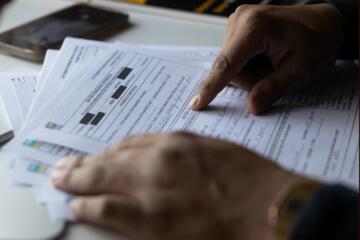
Warranties and receipts are two different kinds of proof. A warranty is a written promise about coverage and remedies, while a receipt is evidence of purchase, date, and sometimes the exact item or service. If you later need a claim, the warranty text tells you what should happen, and the receipt helps show that you qualify and that the covered work relates to the right vehicle or part.
For vehicle owners, the practical question is not “How long should I keep everything?” but “How long should I keep the documents that can change the outcome of a claim?” A basic approach works: keep warranty paperwork for the full coverage period, keep receipts long enough to match the warranty’s claim window, and keep service records long enough to defend maintenance-related warranty conditions. I keep a folder labeled “Vehicle Records” and a second folder labeled “Warranty Claims,” because mixing them turns into a scavenger hunt later.
Main Problems Or Pain Points
People often keep documents too short, then discover the claim deadline after the fact. Others keep everything forever, then lose the one page that matters because the archive becomes unsearchable. Both patterns create the same failure mode: you cannot prove coverage or eligibility when you need it.
A common misunderstanding involves the difference between the warranty period and the claim filing period. Some warranties end on a date, while others end when mileage or time limits are reached, and some require the claim to be submitted within a narrower window after a failure. The paperwork you have may not state the claim submission deadline in plain language, so you end up relying on customer service scripts that vary by dealer and region.
Receipts also get treated as interchangeable, but they rarely are. A credit card statement shows a charge, yet it may not show the part number, labor description, or whether the repair was performed by an authorized shop. For warranty disputes, those details can matter because the warranty may require specific maintenance intervals or approved parts.
Supporting technologies create additional dependencies. Many modern warranties reference electronic service records, dealer systems, or manufacturer portals. If your vehicle’s service history is incomplete in the system, you may need paper receipts to reconcile the timeline. I once saw a case where the dealer’s system listed an oil change as “performed,” but the receipt showed a different mileage interval than the one recorded; that mismatch slowed the claim because nobody could agree on which maintenance schedule applied.
Solutions And Advice
Match Warranty Terms To Time
Start by reading the warranty coverage section for your exact plan: bumper-to-bumper, powertrain, corrosion, emissions, and any extended warranty. Record the coverage start date (often the in-service date) and the end condition (time and mileage). Then check whether the warranty requires claim submission within a specific period after the failure. If the warranty document does not state a claim window, contact the warrantor in writing and ask for the deadline tied to your VIN and plan.
Practical outcome: keep the warranty document and any transfer paperwork for the full coverage period, plus a buffer of a few months after the end date in case a claim is initiated near the deadline. For example, if coverage ends at 60,000 miles or 5 years, keep the documents until you reach both the time and mileage limits, then keep them for a short grace period while you resolve any open issues.
Use a simple log spreadsheet with columns for “Plan,” “Start,” “End,” “Transfer rules,” and “Claim steps.” I label files with the date format YYYY-MM-DD because sorting stays reliable even when the folder gets messy.
Keep Receipts For Proof
Keep receipts that show purchase or service details tied to warranty eligibility. For vehicles, that usually includes: the original purchase invoice, maintenance receipts that match the warranty’s maintenance requirements, and repair invoices that relate to the failure you later claim. If a warranty requires “proof of maintenance,” a receipt with the service date, mileage, and itemized work description is more useful than a generic bank confirmation.
Practical outcome: keep maintenance receipts for at least as long as the warranty could reasonably be affected by missed intervals. Many powertrain and emissions-related warranties include maintenance conditions, so a conservative plan is to keep maintenance records for the full warranty period tied to the component. If you have an extended warranty, keep the receipts through the end of that extended coverage, because the warranty administrator may request them during claim review.
Use a scanner app such as Adobe Scan or Microsoft Lens to create PDFs, then store them in two places: a local folder and a cloud drive. File names should include the shop name and mileage, like “2023-04-18_OakAuto_48210mi_OilChange.pdf.”
Organize For Disputes
Warranty disputes often turn on timelines and authorization. Keep the warranty booklet, the service contract, and any correspondence about prior repairs. If you used a third-party shop, keep the invoice and any parts receipts that show the part brand and model. If the warranty requires authorized service, the invoice should show the shop’s identity and the work performed.
Practical outcome: create a “Claim Packet” folder for each major issue. Include the failure description, dates, repair attempts, and the most recent diagnostic report. When you file a claim, you can hand over the packet without searching across your entire archive. This reduces the chance that you submit incomplete documentation, which can delay decisions.
As a small aside, I prefer a single PDF per claim packet rather than a folder full of random images; it reads better when you email it and it reduces the risk of missing a page.
Case Examples
Scenario 1: A driver buys a used vehicle with an extended powertrain warranty. The warranty booklet states coverage ends at 100,000 miles, but it also requires proof of maintenance at specified intervals. The owner kept oil change receipts for two years, then stopped printing them. When a transmission issue appears at 92,000 miles, the warranty administrator requests maintenance proof for the prior intervals. The owner can prove only the last two years, so the claim is delayed while the administrator evaluates whether earlier maintenance gaps affect coverage.
Scenario 2: An owner files a claim for a cooling system component. The warranty covers the part, but the claim requires that repairs be performed by an authorized service provider. The owner has a receipt for the part purchase, yet the repair invoice is missing the shop’s authorization details. The claim is denied or reopened for additional documentation. The owner then has to request a corrected invoice from the shop, which takes time because the shop’s records may be archived under a different job number.
Comparison Table Or Checklist
| Document Type | Keep For | Why It Matters | What To Check On It |
|---|---|---|---|
| Warranty Booklet / Contract | Full coverage period + short buffer | Coverage rules, exclusions, transfer terms | VIN/plan match, start date, end condition, claim steps |
| Purchase Invoice | Through warranty start + any dispute window | Proves in-service date and eligibility | Date, VIN, trim/plan, dealer identity |
| Maintenance Receipts | Through end of warranty tied to component | Supports maintenance-condition coverage | Mileage, service date, itemized work, parts used |
| Repair Invoices & Diagnostics | Through resolution of the claim + buffer | Shows prior attempts and failure timeline | Job number, diagnostic results, labor description, authorization |
Step-by-step checklist: (1) Copy the warranty coverage page into a PDF and store it with your VIN. (2) Create a “Receipts” folder and sort by year, then by service type. (3) For each claim, build a “Claim Packet” with the warranty page, the failure timeline, and the last two repair invoices. (4) After coverage ends, keep only the summary set and the last 12–24 months of maintenance receipts.
Common Mistakes
People often keep only the warranty booklet and discard receipts, then discover the warranty requires proof of maintenance or authorized repairs. Another frequent mistake is keeping receipts but not the warranty terms, so the owner cannot show what coverage actually promised. A third error is storing documents in one place without backups; a phone camera roll or a single external drive fails at the worst time.
Some owners also rely on dealer service history alone. Dealer systems can be incomplete, and records may not transfer cleanly between dealerships. If you switch shops, keep your own receipts so the timeline stays consistent. I have seen cases where a service was recorded under a different mileage reading, and the claim reviewer treated it as a mismatch.
FAQ
How Long Should I Keep A Warranty?
Keep the warranty booklet or contract for the full coverage period tied to your plan, then keep it for a short buffer after the end date in case a claim is initiated near the deadline.
Do I Need Receipts For Every Service?
Keep receipts for services that the warranty ties to eligibility, such as maintenance intervals and repairs related to the claimed failure. Routine items not connected to warranty conditions can often be summarized instead of archived in full.
What If I Bought The Car Used?
Keep the original purchase documents you receive, the warranty transfer terms, and any proof of in-service date. If the warranty requires transfer registration, store the confirmation email or letter.
Can I Use Digital Receipts Instead Of Paper?
Digital receipts work when they include the same details as paper: date, mileage, itemized work, and shop identity. Save them as PDFs and back them up, since screenshots can lose metadata.
When Should I Stop Storing Everything?
After the warranty ends and no claim is pending, keep a summary set (warranty terms, key receipts tied to maintenance conditions, and the last 12–24 months of maintenance). Discard documents that cannot affect coverage, disputes, or tax records.
Author's Insight
Warranty and receipt retention works best when you treat documents as evidence with a purpose: coverage rules, eligibility proof, and timeline support. Many disputes hinge on maintenance conditions, authorization requirements, and the exact dates and mileages shown on invoices. Because warranty language varies by manufacturer, plan type, and region, the safest plan reads the specific contract and then builds a retention schedule around its start and end conditions.
I do not assume a universal “keep it for X years” rule because claim windows and maintenance-condition requirements differ across warranty types. A practical system—VIN-labeled warranty PDFs, itemized receipts, and per-issue claim packets—reduces both storage and the risk of missing the one page that changes the outcome.
Key Takeaways
Keep warranty documents for the full coverage period, then retain them briefly after the end date while any near-deadline claim is resolved. Keep receipts that prove eligibility, maintenance intervals, and authorized repairs tied to the claimed failure. Organize by VIN and by claim packet so you can respond quickly when a warranty administrator asks for documentation. Purge after coverage ends and no claim is pending, but keep a summary set and the last 12–24 months of maintenance receipts for future disputes or resale questions.