Repair Records For Warranty
Warranty claims often fail for paperwork reasons, not because the problem never happened. A strong evidence trail links the symptom, the repair attempt, the parts used, and the dates in a way a warranty reviewer can verify. For example, a “check engine” complaint becomes easier to evaluate when you can show the scan tool readout, the repair order, and the follow-up test results after the part replacement.
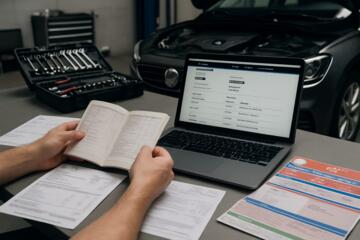
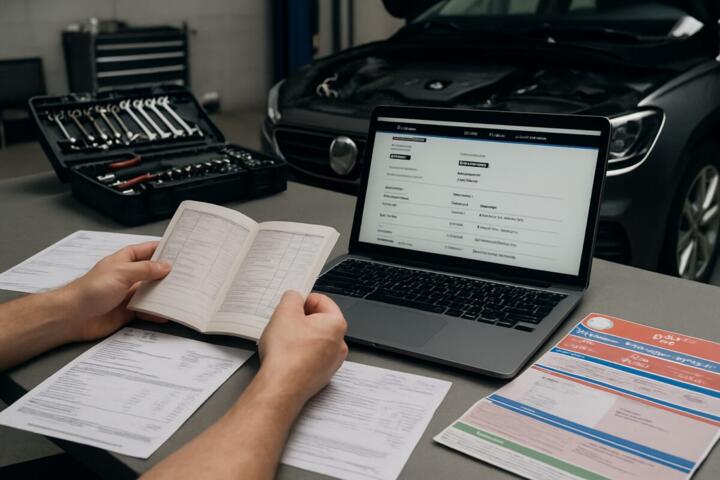
Start by treating every repair as a data capture event. When a shop prints a repair order, it usually includes the customer concern, the technician’s diagnosis, labor performed, parts numbers, and the warranty status. When you also keep your own timeline notes—what you observed, when it started, and how it changed—you reduce the chance that the claim depends on memory, which reviewers rarely accept.
For leased vehicles, the same logic applies, but the chain of custody matters more. You may need to show that required maintenance was completed on time and that the repair was authorized under the lease terms. A folder that mixes invoices with photos of the odometer and the dash warning history can prevent back-and-forth when the vehicle changes hands.
Common Warranty Evidence Gaps
People often get stuck at the “I have receipts” stage, then discover the receipts do not answer the reviewer’s questions. A warranty reviewer typically wants to confirm that the failure occurred within the coverage window, that the repair addressed the reported symptom, and that the part or system was handled according to the manufacturer’s diagnostic path. If your documents stop at a total invoice amount, the reviewer still has to guess what was tested and why.
Another frequent gap is missing the diagnostic record. Many shops run scan tools and print a summary, but some customers leave with only the final bill. Without the code(s), freeze-frame data, or test results, it becomes harder to connect the original complaint to the later repair. Even when the shop did the work, the evidence trail becomes incomplete because the “why” is not documented.
Supporting technologies create dependencies that affect what you can prove. A modern powertrain diagnosis may rely on OBD-II codes, live data, and sometimes manufacturer-specific software. If the shop used a proprietary scan tool and only recorded the outcome in the repair order, you may not get the raw data. That limitation does not ruin the claim, but it changes what you should ask for next.
Timing also causes avoidable problems. Warranty coverage can depend on the date of the repair attempt and the date the failure was reported. If you wait weeks to report a recurring issue, the reviewer may treat later symptoms as a new event. A short timeline—first notice date, first visit date, each follow-up visit date—helps keep the story consistent.
Finally, communication gaps can undermine the claim. Email threads and service-advisor notes sometimes contain the only written confirmation that a specific concern was discussed. A phone call is harder to verify, and a “we talked about it” statement rarely survives a document-only review. I have seen claims stall because the customer remembered a specific test, while the repair order listed a different one—annoying, and preventable with a quick request for the final paperwork.
Build A Warranty Proof Packet
Collect Repairs In One Folder
Create a single folder for each vehicle and each major symptom. Include the original repair order, the invoice, and any warranty claim reference number shown on the paperwork. If you have multiple visits for the same issue, keep them in chronological order and label them with the date and the symptom (for example, “06-14-2026: rough idle after cold start”). A simple naming pattern makes it easier to hand the packet to a dealer service manager without hunting through emails.
When you receive documents, check for parts numbers and labor descriptions. Parts numbers matter because warranty coverage often ties to specific components. Labor descriptions matter because they show what was actually performed. If a document lists only “diagnosis” without the test performed, ask for the diagnostic summary or the technician notes section that many shops can print.
As a practical aside: some dealer portals export PDFs with filenames that include the RO number and date; saving those files with the RO number in the filename prevents mix-ups. I once saw a customer submit the right invoices but the wrong dates because two PDFs had similar titles—small clerical errors can cost weeks.
Track Symptoms With Dates And Miles
Write a short timeline that matches the repair dates. Include the first day you noticed the symptom, the conditions (cold start, highway, rain, stop-and-go), and the approximate mileage at each event. If the symptom changes after a repair, record what changed and when. This timeline should fit on one page, because a long narrative often hides the key facts.
Attach photos only when they add evidence. Useful photos include the odometer reading, the dashboard warning message, and the condition of a replaced part if the shop allows it. If you have a scan tool app screenshot, include it with the date and vehicle mileage visible. Many OBD-II apps show the vehicle VIN and timestamp; a screenshot from an app like Torque (version numbers vary by device) can help when the shop’s printout is missing.
Keep your notes factual. Avoid conclusions like “the engine is defective” unless a diagnostic report states that. Reviewers look for documented test results and repair actions, not assumptions.
Request Diagnostic Reports In Writing
If the shop did not give you diagnostic documentation, request it in writing. Ask for the scan report showing the code(s), the test performed, and the outcome. If the shop replaced a part, ask for the part number and the warranty status line from the repair order. Many service departments can print a “customer copy” that includes more detail than the initial estimate.
Use a clear request that a service advisor can forward internally. Example wording: “Please provide the diagnostic summary for RO #[number], including the OBD-II codes and any live-data test results, plus the replaced part number(s).” This reduces the chance that the request becomes a vague “send me the paperwork.”
When you receive the documents, verify that the dates align with your timeline. If the repair order date differs from the visit date, note the discrepancy. A reviewer may treat the repair attempt as occurring on the printed date, not the day you dropped the car off.
Organize Communication And Approvals
Keep copies of every message to the dealer or warranty administrator. Save emails, chat transcripts, and letters, and record the name of the person who responded. If you submit a claim through a third-party warranty administrator, include the claim number and the submission date. A packet that includes “who said what, when” reduces the risk of conflicting accounts.
Track approvals and denials with a simple log: date submitted, method (email, portal, in-person), documents attached, and the response date. If a denial cites a reason like “no failure found,” ask for the exact diagnostic steps referenced. Denials often include a short explanation, and that explanation tells you what evidence to gather next.
For leased vehicles, also keep lease return inspection notes if they exist. Some lease agreements require specific maintenance records and may treat missing documentation as a chargeable issue. A folder that includes maintenance invoices and proof of repairs helps you avoid a separate dispute at return time.
Educational Case Examples
Case 1: Recurring Misfire After Repair
A driver reports a rough idle and intermittent misfire warning at 48,200 miles. The first visit includes a repair order with an OBD-II code list, but the customer leaves without the scan printout. The shop replaces a spark plug set, and the warning returns two weeks later under similar conditions.
In the follow-up, the driver requests the diagnostic summary for the second visit and asks for the part numbers used in both repairs. The customer also adds a timeline showing the warning dates and mileage. When submitting the warranty evidence packet, the driver includes both repair orders, the diagnostic code references, and a short note that the symptom recurred after the plug replacement. The reviewer can then compare the diagnostic outcomes across visits instead of relying on memory.
Case 2: Brake Noise With Multiple Inspections
A lessee reports brake squeal at low speeds and receives an estimate for pad replacement. The shop performs an inspection and documents rotor condition, but the invoice does not list the exact pad part number. The noise persists after the repair, and the lessee returns for a second inspection.
For the evidence trail, the lessee collects the second repair order and requests the part number for the pads installed during the first repair. The lessee also includes photos of the brake warning message history from the dash and a log of when the squeal occurs (for example, only after rain). This packet helps the warranty reviewer assess whether the same component was replaced and whether the symptom pattern matches the documented findings.
Warranty Evidence Checklist
| Document Or Record | What It Proves | Common Missing Detail | Action If Missing |
|---|---|---|---|
| Repair Order (RO) | Dates, diagnosis notes, labor performed | Test steps or technician notes | Request the “customer copy” or diagnostic summary |
| Invoice | Parts and labor totals, warranty line items | Part numbers | Ask for the parts invoice line or part number list |
| Diagnostic Codes | Symptom linkage to tests | Freeze-frame or live-data summary | Request scan report printout or export |
| Timeline Note | Consistency across visits | Mileage and condition details | Add dates, mileage, and conditions in one page |
| Communication Log | Approvals, denials, and next steps | Claim numbers and response dates | Request written denial reason and claim reference |
Use this checklist as a decision support tool. If your packet lacks diagnostic codes, the next step is usually to request the scan summary from the shop rather than adding more opinions about the cause.
Common Mistakes That Weaken Claims
One mistake is submitting a single invoice without the repair order narrative. In many cases, the invoice totals do not show what was tested, which makes the claim harder to evaluate. Another mistake is mixing unrelated repairs into one packet without labeling the symptom. Warranty reviewers often treat each claim as a specific failure event, so a clean separation helps.
People also over-rely on screenshots from apps without matching them to the repair dates. A scan screenshot without a timestamp or mileage can look like a generic record. When you include digital evidence, capture the date and vehicle mileage visible on the screen, or pair the screenshot with the repair order that references the same timeframe.
Some customers forget to keep copies after the shop emails documents. Dealership systems change, and links expire. Saving PDFs locally and backing them up reduces the risk of losing evidence after a denial or delay. I have seen a customer rely on a portal download that disappeared after a service contract ended—frustrating, and avoidable with local copies.
Another error is changing the story between visits. If you describe the symptom as “only at idle” in the first visit and “only at highway speed” in the second, the reviewer may treat it as a different issue. Your timeline should reflect what you observed, even if the pattern shifts, but it should do so consistently with the dates and conditions.
Finally, avoid promotional writing. Warranty disputes are document-driven, and emotional language rarely helps. A short, factual cover note that references repair order numbers and dates reads better than a long explanation of frustration.
FAQ
What documents matter most for a warranty claim?
Repair orders, invoices showing parts and labor, and diagnostic records that list codes or test results matter most. Add a timeline with dates and mileage so the reviewer can match the symptom to each repair attempt.
Should I request scan tool printouts from the shop?
Yes, when the shop can provide them. Ask for the diagnostic summary that includes the code(s) and test outcome, since the repair order may not include the raw scan details.
How do I handle missing part numbers on invoices?
Request the parts invoice line items or the part number list tied to the repair order. If the shop cannot provide it, ask whether the repair order includes the part number in a technician section.
Can I use photos and app screenshots as evidence?
Photos and screenshots can support your timeline, especially for warning messages and odometer readings. They work best when they include a date and mileage and when they align with the repair order dates.
What should I do if the warranty denial cites “no failure found”?
Ask for the exact diagnostic steps referenced and request the diagnostic summary for that visit. Then gather evidence from the next visit that repeats the symptom under similar conditions, with documented test results.
Author's Insight
A warranty evidence trail works when it answers the reviewer’s verification questions: what happened, when it happened, what tests were performed, and what parts were replaced. Repair orders and diagnostic summaries carry more weight than customer recollections because they record the shop’s observations and actions at the time of service.
Evidence quality depends on what the shop documented and what you can obtain afterward. Some diagnostic details remain internal, so the practical goal is to request the customer copy and the diagnostic summary that the shop can print or export.
When you organize documents by symptom and date, you reduce ambiguity and speed up review. A one-page timeline plus repair order numbers often performs better than a long narrative.
Key Takeaways
- Build a packet per symptom: repair orders, invoices, diagnostic summaries, and a one-page timeline with dates and mileage.
- Request diagnostic documentation in writing when it is missing, especially scan tool codes and test outcomes.
- Keep communication records with claim numbers and response dates, since phone-only conversations leave gaps.
- Avoid mixing unrelated repairs and avoid emotional or speculative wording; reviewers need verifiable facts tied to repair order dates.