Passkey Backup Basics
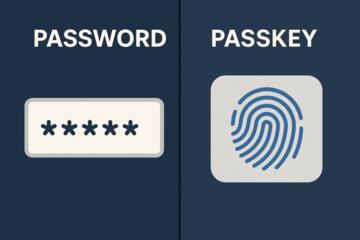
Passkeys are authentication credentials built from public-key cryptography. A passkey is created for a specific relying party (for example, a website or service) and is used to prove you control a private key without sending the key itself.
Backup behavior depends on where the credential lives. Some passkeys are device-bound, meaning the private key is stored in a secure element or key store on one device. Other passkeys are synced across devices through an account-backed mechanism, so the private key material can be re-created or recovered on new devices after sign-in.
Practical example: you register a passkey on a phone, then later buy a tablet. With synced passkeys, the tablet can often get a usable credential after you sign in to the same sync account. With device-bound passkeys, the tablet typically cannot use the phone’s credential unless you transfer it during setup or you re-enroll a new passkey on the service.
Because passkeys are tied to both the relying party and the credential storage model, “backup” means different things: recovering access to the same credential versus re-creating a new credential for the same account. Those two outcomes feel similar when everything works, and they diverge when a device is lost, replaced, or locked out of its sync account.
Common Backup Pain Points
People often assume passkeys behave like passwords stored in a browser. In practice, passkeys depend on multiple layers: the OS credential manager, the browser or platform authenticator, and the relying party’s passkey registration flow.
One frequent mistake is treating the phone as the only dependency. If passkeys are synced, access also depends on the sync account’s security and availability. If passkeys are device-bound, access depends on the device’s secure storage and the ability to unlock it.
Another pain point comes from mixing recovery paths. Many services offer account recovery via email or SMS, but passkey login may still require a passkey for the initial step. If you lose both the passkey device and the recovery channel, the service may require manual identity verification, which can take days and may not be guaranteed.
Supporting technologies matter. Passkeys are standardized through WebAuthn and related platform mechanisms, but the backup behavior is governed by each platform’s credential manager. For example, iOS and macOS use a system credential store and sync behavior that differs from Android’s credential manager approach, and browser support varies by version (I tested passkey flows in Chrome 126 on a recent desktop; the UI prompts changed slightly between releases).
Finally, users sometimes forget that passkeys are relying-party scoped. A passkey created for one service does not automatically work on another service, even if both belong to the same company. That scoping affects backup planning because you may need to re-enroll on each service after a device change.
Synced Passkeys: What To Expect
Synced passkeys are designed so that after you sign in on a new device, the credential can be available without re-registering on every site. The mechanism typically relies on a platform account and a credential sync service that stores or derives credential state across devices.
What to check before relying on sync: whether your passkeys are actually created through the sync-enabled authenticator on the device you use. Some devices can offer multiple authenticators, and the passkey enrollment flow may choose one based on your selection. If you enroll using a device-bound authenticator, you may not get the expected cross-device availability.
Sync also introduces a different failure mode. If you lose access to the sync account, you may lose access to synced passkeys even though the original device still exists. If you change the sync account password or remove a trusted device, the credential manager may require re-verification, and the timing varies by platform.
For backup planning, synced passkeys reduce the “new device” problem but shift risk toward account recovery. That means you should treat the sync account recovery settings as part of your passkey backup plan, not as a separate task you can postpone.
Device-Bound Passkeys: What To Expect
Device-bound passkeys store the private key in a secure location on a single device. The secure storage can be a hardware-backed secure element or a protected key store managed by the OS. The passkey can be used only when the device can unlock that secure storage and when the authenticator can respond to the relying party challenge.
This model reduces reliance on a sync account, but it increases the impact of device loss. If you replace a phone without transferring credentials, you may need to re-enroll passkeys on each relying party. Some platforms offer passkey transfer flows during device setup, but those flows depend on both devices being available and on the OS version supporting transfer.
Device-bound passkeys also behave differently during travel or offline use. The passkey authentication itself does not require network access, but the login session still needs the relying party’s server. If you lose connectivity and need to recover access, you may still rely on email or other recovery channels.
When you plan for device-bound credentials, you should treat “re-enrollment” as a normal part of recovery. That means you should keep a list of critical services and be ready to register new passkeys after a device replacement, rather than expecting the old credential to follow you.
Solutions And Advice
1) Audit Your Passkey Sources
Start by checking which authenticator created each passkey. On many platforms, the credential manager shows passkeys and their origin device or sync status. If you see passkeys only on one device, you likely enrolled with a device-bound authenticator.
Practical method: open a passkey-enabled service on your primary device, then check the credential manager entry for that service. If the entry appears on a second device after sign-in, you have evidence of sync. If it does not, you should plan for re-enrollment.
Outcome target: within 30 minutes, you should identify whether your top 5 services have synced passkeys or device-bound credentials. That small audit prevents the common “I assumed it synced” surprise.
2) Set Recovery Channels Before You Need Them
For each relying party, verify account recovery settings that do not depend on the passkey device. Email access is usually the fastest path, but some services also support backup codes or secondary emails.
Realistic numbers: account recovery via email often resolves within minutes to hours, while identity verification workflows can take multiple days depending on the service. If your recovery channel is an email account you rarely use, you may discover it has outdated security settings when you attempt recovery.
Tooling detail: use a password manager or secure notes app to store recovery codes offline. I keep a small encrypted note with service names and recovery method status; it reduces the “where is that code” delay when a phone is offline.
3) Test a Controlled Recovery Scenario
Do a dry run that mimics the failure you fear. For synced passkeys, test by signing out of the sync account on one device and signing back in, then attempt passkey login to one service. For device-bound passkeys, test by using a second device to log in; if it fails, you have confirmed that re-enrollment will be required.
Timebox the test. A good target is 15–20 minutes per platform or sync setup. If you find that passkey login fails, note the exact step where it fails, because the fix differs: it might be sync account sign-in, authenticator selection, or relying party registration.
Small aside: browser prompts can change with updates, so record the browser version you used during the test (for example, Chrome 126 vs 127) to avoid confusion later.
4) Use Multiple Devices for High-Risk Accounts
For accounts tied to money, identity, or work access, plan for more than one authentication path. Even with passkeys, you can keep a backup method such as a second passkey device, a hardware security key, or recovery codes.
Where numbers help: if you rely on a single phone and it fails, recovery time depends on service workflows and your email access. If you maintain a second device that can authenticate, the recovery time often drops to minutes because you can log in and then re-enroll passkeys on the new device.
Be cautious about mixing models. A hardware security key can act as an additional authenticator, but it still requires passkey registration with each relying party. That registration step is the part that takes time, not the cryptographic login itself.
Case Examples
Family Account With Mixed Devices
A parent sets up passkeys on a phone and a laptop. The phone shows passkeys for several services, but the laptop only shows passkeys for two services after sign-in. The parent discovers that some passkeys were enrolled using a device-bound authenticator during a browser prompt.
Recovery plan: the parent updates recovery email settings for each service, then re-enrolls passkeys on the laptop for the remaining services. The family keeps a short list of services that require re-enrollment after device changes, which reduces the stress of a future phone swap.
Outcome: the next device replacement becomes a checklist task rather than an emergency, because the parent already confirmed which services were synced.
Lost Phone With Synced Passkeys
A user loses a phone that had synced passkeys. The user still has access to the sync account and can sign in on a replacement device. Passkey login works for some services immediately, but one service requires re-enrollment because the passkey was created using a different authenticator selection earlier.
Recovery plan: the user uses the service’s email recovery to regain access, then registers new passkeys on the replacement device. The user also updates the sync account’s recovery settings and adds a second trusted device to reduce the chance of sync lockout.
Outcome: the user avoids waiting for manual identity verification because the email recovery channel remained active and the sync account was not locked.
Synced Vs Device-Bound Checklist
| Decision Factor | Synced Passkeys | Device-Bound Passkeys | What To Do Next |
|---|---|---|---|
| New device setup | Often available after sync sign-in | Usually requires re-enrollment | Test passkey login on a second device for 1–2 key services |
| Lost phone risk | Depends on sync account access | Depends on secure storage availability | Verify recovery email and sync account recovery settings |
| Account recovery | May still require email/SMS for some services | Often requires email/SMS plus re-enrollment | Confirm each service’s recovery path works without the passkey device |
| Authenticator selection | Can vary by enrollment prompt | Can vary by device setup | Audit which authenticator created passkeys for top services |
Step-by-step checklist you can run in under an hour:
- Pick your top 5 relying parties (email, banking, identity, work, and one social account).
- On your primary device, open each service and confirm passkey login works.
- On a second device, sign in to the same platform account (for synced setups) and attempt passkey login.
- If login fails, use the service’s recovery method once and then re-enroll a passkey on the second device.
- Record which services now work on both devices, and which require re-enrollment after a device change.
Common Mistakes
One mistake is assuming that “passkey enabled” means “synced.” Some services show a passkey option, but the credential manager may still store the private key only on the current device. That mismatch shows up later when you try to log in on a different device.
Another mistake is ignoring browser and OS version differences. Passkey prompts and authenticator selection screens can change between releases, and a user can accidentally enroll using a different authenticator than intended. I saw this when a browser update changed the wording around “use a passkey” vs “use a security key,” and the enrollment path differed.
People also over-trust account recovery. Email access can be disabled, compromised, or tied to an old phone number. If you test recovery only after a lockout, you may discover that the recovery channel itself needs recovery.
Finally, users sometimes store recovery codes in the same place as the device they fear losing. If the device is stolen and the codes are in a synced notes app, the attacker may gain access. Offline storage with a separate access method reduces that risk.
FAQ
Do synced passkeys survive a phone loss?
They often do if you still control the sync account and can sign in on a replacement device. If the sync account is locked or recovery is broken, synced passkeys may not be reachable.
Can I move device-bound passkeys to a new phone?
Some platforms offer transfer during setup, but it depends on OS support and having both devices available. If transfer is not available, you typically re-enroll passkeys on each relying party.
Will a passkey work across different websites?
No. A passkey is scoped to a specific relying party, so you must register a passkey separately for each service that supports passkeys.
What happens if I change my sync account password?
Changing the password can trigger re-verification steps for the credential manager. The exact behavior depends on the platform and may require sign-in prompts before passkeys appear.
Should I keep backup codes if I use passkeys?
Yes, for accounts that offer them. Passkeys reduce password risk, but recovery still depends on service workflows and your access to recovery channels.
Author's Insight
Passkey backup planning works best when you treat it as a dependency map: credential storage model, sync account access, relying party registration, and recovery channels. Synced passkeys reduce re-enrollment after device changes, but they shift risk toward the sync account’s recovery settings. Device-bound passkeys reduce sync-account dependency, but they increase the need for re-enrollment after device loss or replacement.
Because platform behavior differs by OS and authenticator selection, the most reliable approach is a short test on a second device for a few key services. Record what works and what fails, then adjust recovery settings before a lockout forces the issue.
Key Takeaways
- Synced passkeys depend on sync account access; device-bound passkeys depend on the original device’s secure storage.
- Passkeys are relying-party scoped, so re-enrollment may be required after a device change.
- Verify recovery channels (email/SMS/backup codes) for each service without relying on the passkey device.
- Run a controlled test on a second device for your top services and document the results.