Accounts You Cannot Delete
Some online accounts cannot be fully deleted even when you submit a deletion request. The usual reasons include legal record retention, fraud prevention systems that keep transaction logs, and technical dependencies where other services still reference your identifier. A practical example is a store account tied to past purchases: the account profile may disappear, but the purchase record often stays for tax and warranty handling.
When full deletion fails, the goal shifts from “disappear completely” to “reduce risk and control what remains.” That means you check what the service actually deletes, what it keeps, and how you can limit future access. You also document the request so you can escalate if the vendor keeps the account active.
One small detail that changes outcomes: some services treat “delete” as “deactivate,” which stops login but leaves data in backups for a period. Another detail: if the account uses an email address that you later reuse elsewhere, you can accidentally re-link identity through password reset flows, which, frankly, most people skip.
Main Problems And Pain Points
People often assume that a deletion button triggers immediate erasure across all systems. In practice, many companies separate the user-facing profile from backend records used for billing, security, and compliance. Deletion can also be blocked by dependencies such as shared credentials, linked third-party apps, or ongoing disputes.
Another common misunderstanding involves data retention. Even when a service deletes personal data, it may retain certain records under legal obligations, such as tax reporting, consumer protection rules, or accounting requirements. Those retained records can still contain identifiers like an email hash, a customer ID, or a transaction reference number.
Supporting technologies also matter. Account systems often use identity graphs, where one identifier connects to multiple services. If your account ID appears in fraud models or chargeback histories, the system may keep it to prevent repeat abuse. Backups add another layer: deletion from the primary database does not always remove data from backup storage until backups roll over, which can take weeks or months depending on the provider’s backup schedule.
Finally, deletion requests can fail due to mismatched identity verification. If you submit a request from an email address that no longer matches the account, the vendor may mark the request as unverified and close it without deleting anything. That failure mode rarely shows up in the confirmation email.
Solutions And Advice
Confirm Deletion Scope
Start by checking the service’s privacy policy and deletion terms for language about deactivation, anonymization, and retention. Look for phrases that describe what happens to backups, transaction logs, and security records. If the policy states that deletion is not immediate, ask for the retention period or the deletion SLA in writing.
Then verify the outcome in your account UI. A deactivated account should reject login, and password reset should not work. If you still receive marketing emails or can log in through a “continue with” identity provider, the account is not truly deactivated.
When you submit a request, save the ticket number and the exact timestamp. I once saw a deletion request marked “completed” on 2024-11-03 while the profile still appeared in search results for several days, which suggested delayed propagation rather than full deletion.
Reduce Future Exposure
Even when deletion is blocked, you can reduce exposure by cutting off access paths. Remove payment methods, cancel subscriptions, and revoke third-party app connections in the account settings. If the service supports it, disable login methods you do not use, such as SMS codes or “remember this device.”
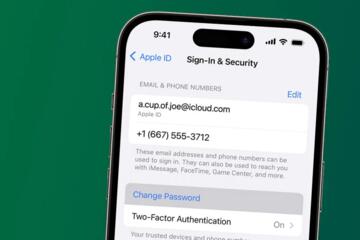
Change the password to a unique, high-entropy value if the account remains active in any form. Then enable multi-factor authentication on the email address that receives password resets, since that email account often becomes the real control point. A practical number: most major providers recommend MFA because it blocks many credential-stuffing attacks, and it reduces account takeover risk even when the original service retains some data.
Also review email forwarding rules and filters. If you previously set up forwarding, you might keep receiving notifications that reveal account activity, even after deactivation.
Request Your Data And Logs
Use data access rights where they apply. In the EU and UK, the GDPR and UK GDPR support access requests; in the US, some states offer similar rights. Ask for a copy of your personal data and, when available, the categories of data retained after deletion requests.
Request deletion again with a narrower scope if the vendor supports it, such as “delete profile data” while retaining only legally required accounting records. If the vendor refuses full deletion, ask for the legal basis and the retention period for each category.
Keep the request specific. Mention the account identifier, the email used, and the date of the last login you remember. If the vendor uses a portal, note the version of the form you submitted; I have seen portals change fields between 2023 and 2024, and the older fields sometimes fail validation.
Escalate With Evidence
If the vendor confirms deletion but the account remains usable, escalate with evidence. Provide screenshots of the login page, the presence of the profile in search, and any active subscriptions. Ask for a remediation timeline and a written confirmation of what was deleted versus retained.
For payment-related issues, contact the payment processor or bank if charges continue. For example, if a subscription still renews after you requested deletion, the problem is often a billing agreement still active under a customer ID, not the profile itself.
If you are in the EU/UK, you can also complain to the relevant data protection authority when the vendor does not respond or responds inadequately. If you are elsewhere, consumer protection agencies or ombuds services may still accept complaints, but the exact path depends on your country.
Case Examples
Retail Account With Purchase History
A consumer deletes a retail account after moving countries. The vendor removes the public profile but keeps the purchase history for tax and warranty handling. The consumer then removes the saved payment method, cancels the newsletter, and revokes a connected “shop with” identity provider. The consumer submits a data access request and receives a report showing that transaction records remain while marketing identifiers are removed from active systems.
The consumer’s next step is to confirm that password reset no longer works for the deleted profile and that no active subscriptions remain. This approach reduces the chance of account takeover even though the vendor retains some records.
Forum Account With Moderation Links
A user wants to delete a forum account that posted comments years ago. The forum cannot fully delete because moderation records and legal takedown logs reference the user ID. The forum deactivates the account, replaces the display name with an anonymized label, and keeps internal logs for abuse prevention.
The user requests a copy of their data and asks whether the anonymized identifier can still be linked to their current email. The forum confirms that the email is removed from active systems but that internal logs remain in restricted access storage. The user then updates their email security and revokes any third-party login tokens connected to the forum.
Comparison Table For What To Do
| Goal | What To Check | Action Steps | What “Done” Looks Like |
|---|---|---|---|
| Stop login | Login and password reset behavior | Try login, submit password reset, then verify failure | Account rejects login and reset emails stop |
| Reduce future data use | Subscriptions, payment methods, connected apps | Cancel subscriptions, remove payment, revoke OAuth apps | No renewals, no active integrations |
| Know what remains | Retention categories and backup handling | Request data copy and deletion scope details | Written categories and retention timelines |
| Escalate if wrong | Evidence of continued access or billing | Provide screenshots, ticket IDs, and charge dates | Vendor confirms remediation and timeline |
Common Mistakes
People submit a deletion request and then stop checking. That misses delayed deactivation, partial deletion, or continued billing under a separate customer ID. A better habit is to verify login and subscription status after a realistic waiting period stated by the vendor.
Another mistake is deleting the email address used for the account before the vendor finishes identity verification. If you close the inbox, you may lose confirmation messages and you may block follow-up questions that the vendor needs to complete the request.
Some users revoke third-party access but forget to cancel subscriptions inside the service. That leaves a billing agreement active even after the account is “deleted,” which can lead to renewed charges. If you see charges after deletion, treat it as a billing system issue, not a profile issue.
People also assume that “anonymized” means “unrecoverable.” Anonymization can range from true irreversibility to pseudonymization where internal systems still link records. Ask for the vendor’s definition of anonymization and whether it can be re-linked to you.
Finally, users sometimes post deletion complaints publicly without preserving evidence. Screenshots of the account page, the deletion confirmation email, and the ticket number help you escalate with facts instead of frustration.
FAQ
What does “deletion” mean if login still works?
It usually means deactivation or partial deletion. Verify whether password reset fails and whether subscriptions and connected apps remain active; then request the deletion scope in writing.
How long can a company keep data after I request deletion?
Retention periods depend on legal obligations and backup schedules. Ask for the categories retained, the retention duration, and whether backups are included in the deletion timeline.
Can I request my data when deletion fails?
Yes. Use a data access request to obtain a copy of your personal data and the categories retained after deletion. In many jurisdictions, you can also request correction if data is inaccurate.
What should I do about subscriptions and payments?
Cancel subscriptions inside the service, remove payment methods, and check for any billing agreements tied to your customer ID. If charges continue, contact the payment provider or bank with the charge dates.
Will deleting my account stop marketing emails?
Often it reduces marketing, but it depends on the vendor’s policy and legal retention. Confirm by checking email preferences and verifying whether unsubscribe links still work after deactivation.
Author's Insight
Account deletion often fails to mean “erase everything immediately,” because systems separate user profiles from billing records, security logs, and compliance archives. A practical approach treats deletion as a scope question: what is removed from active systems, what remains for legal reasons, and what access paths stay open. Evidence-based next steps focus on verifying login and billing behavior, then requesting data access to learn what is retained and why.
When you cannot fully delete, the risk reduction work shifts to deactivation checks, payment cancellation, and email security. If you need a legal basis, ask for it in writing and keep the ticket trail so escalation stays factual.
Key Takeaways
- Verify outcomes: test login, password reset, and subscription status after your deletion request.
- Assume partial deletion is common: ask what remains, including backups and transaction logs.
- Reduce exposure even without full deletion: cancel subscriptions, remove payment methods, and revoke third-party access.
- Use data access requests to learn retention categories and retention timelines.
- Escalate with evidence when access or billing continues after “deletion.”